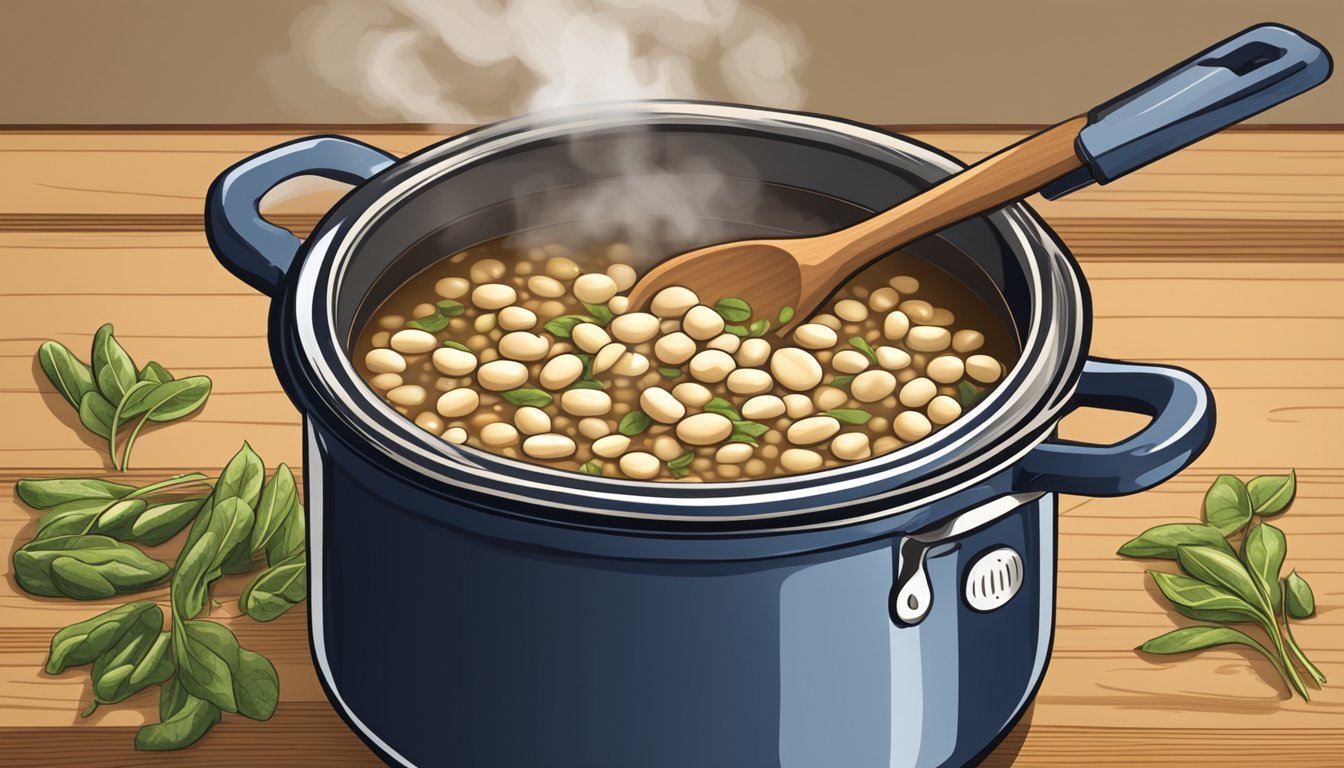
The Journey to Tender, Creamy Perfection: Why Dried Savory Navy Beans Reign Supreme
There's a special kind of satisfaction that comes from transforming simple dried legumes into a velvety, flavorful meal. Few beans encapsulate this better than the humble navy bean. With their mild flavor and smooth texture, navy beans are a beloved staple, forming the heart of comforting dishes like classic Boston baked beans or a nourishing bean soup. But beyond their role in traditional recipes, mastering the art of cooking dried savory navy beans unlocks a world of nutritious and deeply satisfying culinary creations. Forget the canned versions for a moment – we're diving into the superior experience of preparing them from scratch, ensuring every bite is tender, creamy, and bursting with robust flavor.
While canned beans offer convenience, cooking dried navy beans provides an unparalleled depth of flavor and a superior, melt-in-your-mouth texture that simply can't be replicated. It allows you complete control over the seasoning and the final consistency, making them truly your own. The process is remarkably straightforward, and the resulting aromas filling your kitchen alone are worth the effort, promising a hearty, one-pot meal that's both easy and incredibly rewarding.
Preparing Your Beans for Success: Sort and Soak
The secret to perfectly tender, creamy navy beans begins long before they hit the pot. Proper preparation is paramount, and it involves two crucial steps: sorting and soaking.
- Sort and Rinse Thoroughly: Before anything else, spread your dried navy beans on a light-colored surface – a baking sheet or a clean counter works well. Inspect them carefully for any small stones, bits of debris, or shriveled, discolored beans. These unwanted guests can spoil your meal or even damage your teeth, so discard them without hesitation. Once sorted, place the beans in a fine-mesh sieve and rinse them thoroughly under cold running water. This removes any dust or residual dirt, ensuring a clean slate for cooking.
- Soak Beans (Choose Your Method): Soaking is a critical step that rehydrates the beans, significantly reduces cooking time, and helps them cook more evenly. It also aids in breaking down some of the complex sugars, potentially making the beans easier to digest. You have two primary options:
- Overnight Soak (8-12 hours): This is the classic, most recommended method for consistency. Place your rinsed beans in a large pot or bowl. Add plenty of cold water, ensuring the beans are fully submerged with at least 2 inches of water covering them. Beans will expand considerably, so don't skimp on the water. Cover the bowl and let them soak at room temperature for 8 to 12 hours. The next day, drain and rinse them thoroughly before cooking.
- Quick Soak (1 hour): If you're short on time, the quick soak method is a fantastic alternative. Place the rinsed beans in a large pot with 8 cups of cold water. Bring the water to a rolling boil over high heat and let it boil vigorously for 5 minutes. Then, remove the pot from the heat, cover it, and let the beans stand in the hot water for 1 hour. Just like with the overnight soak, drain and rinse the beans thoroughly before proceeding to cook.
The Art of Simmering: Unlocking Flavor and Texture on the Stovetop
When it comes to cooking navy beans, many chefs prefer the stovetop method over pressure cooking, especially for these delicate legumes. Navy beans are known to "explode" or split quite easily under high pressure, leading to a mushy texture rather than the desired tender, creamy consistency. A gentle simmer on the stovetop allows for greater control, ensuring your beans retain their shape while achieving that perfect tenderness.
Building the Flavor Base: Aromatics and Herbs
The magic of truly savory navy beans lies in their aromatic foundation. This is where you infuse the dish with layers of flavor that will permeate every single bean. Start by sautéing your aromatics in a large, heavy-bottomed pot or Dutch oven (the same pot you'll use to cook the beans). A tablespoon of olive oil is a great starting point.
- Classic Aromatics: Begin with finely chopped onions, shallots, and smashed garlic cloves. Sauté them gently until translucent and fragrant, typically 5-7 minutes. This sweetens them and creates a foundational layer of savory goodness.
- Herbaceous Harmony: Fresh herbs are key to the "savory" profile. Robust herbs like a few sprigs of fresh rosemary and thyme tied with kitchen twine (for easy removal) or a bay leaf contribute earthy, woody notes. Fresh parsley, added at the end, brightens the dish.
- Optional Flavor Boosters: For an even deeper, more complex flavor, consider adding a small piece of smoked ham hock, a strip of bacon (cooked and crumbled, or added whole to simmer), or even a spoonful of your favorite umami paste alongside the aromatics. For vegan preparations, a splash of tamari or a pinch of nutritional yeast can mimic some of these savory notes.
The Gentle Simmer: Key to Creaminess
Once your aromatics are fragrant and your flavor base is established, it's time to introduce the star of the show – your prepared navy beans.
- Combine Ingredients: Transfer the drained and rinsed beans to the pot with your sautéed aromatics. Add 6-8 cups of fresh cold water, ensuring the beans are covered by at least 2 inches of liquid. Add any bay leaves or herb bundles at this stage.
- Bring to a Boil, Then Simmer: Bring the water to a boil over medium-high heat. Once boiling, immediately reduce the heat to low, just enough to maintain a gentle simmer. The water should barely bubble. This slow, gentle cooking is crucial for achieving that tender, creamy texture without the beans splitting or becoming mushy.
- Cook Low and Slow: Cover the pot and let the beans simmer for approximately 2 to 3 hours. Cooking time can vary depending on the age of your beans and your soaking method. Check for tenderness after about 1.5 hours, and then every 30 minutes thereafter. The beans should be fork-tender and creamy, not chalky or firm.
- Monitor Liquid Levels: Keep an eye on the water level throughout cooking. If the liquid dips below the beans, add more hot water (to avoid shocking the beans and interrupting the cooking process) to keep them submerged.
- The Golden Rule of Salt: Here's a critical tip: do not add salt until the end of the cooking process, when the beans are already tender. Adding salt too early can toughen the skins of the beans, preventing them from softening properly and extending cooking time significantly. Taste and season generously with salt and freshly ground black pepper once the beans have reached their desired tenderness.
Elevating Your Savory Navy Beans: Beyond the Basics
While the classic preparation yields wonderfully tender and creamy navy beans, there are endless ways to customize and enhance their flavor profile, transforming them into truly unforgettable dishes.
Infusing Depth: Spices and a Touch of Heat
For those who appreciate an extra layer of complexity, spices can work wonders. A small amount of hot chile powder or a pinch of red pepper flakes can introduce a subtle warmth without overpowering the delicate flavor of the beans. Smoked paprika can lend a beautiful depth and a hint of smokiness, especially if you're keeping the dish vegetarian or vegan. Experiment with a dash of cumin or coriander for an earthier note, or a pinch of dried oregano for a Mediterranean twist.
Versatility and Customization: Vegan, Vegetarian, or Meaty
One of the great strengths of savory navy beans is their incredible adaptability. This dish can easily be tailored to suit various dietary preferences:
- Vegan & Vegetarian Friendly: To create a delightful vegan or vegetarian version, simply omit any meat products like ham hock or bacon. Boost the umami with a good quality vegetable broth instead of water for cooking, or by adding a dash of soy sauce/tamari or a spoonful of miso paste towards the end. Nutritional yeast can also impart a cheesy, savory depth. For more in-depth vegan inspiration, explore our guide: Master Savory Navy Beans: Vegan-Friendly & Deeply Flavorful.
- Meat Lovers: If you enjoy a meaty richness, adding a ham hock, a chunk of salt pork, or thick-cut bacon during the simmering process will infuse the beans with incredible depth and a wonderful smoky flavor. Just remember to adjust your final salt seasoning accordingly, as these ingredients can be quite salty.
For those times when you need a delicious meal on the table faster, consider checking out Quick & Savory Navy Beans: Your One-Pot Meal in Under An Hour, which offers fantastic insights into preparing this dish with minimal fuss.
Serving Suggestions and Toppings
Once your savory navy beans are perfectly tender and creamy, the serving possibilities are endless. They are truly a meal in a bowl, nourishing and satisfying on their own. Serve them hot with a drizzle of good quality olive oil, a sprinkle of fresh chopped parsley or chives, and a generous crack of black pepper. A crusty baguette or a slice of cornbread is the perfect accompaniment for soaking up all that flavorful broth.
Beyond being a standalone meal, these versatile beans can be the foundation for numerous dishes:
- Hearty Soup: Add more broth, some diced vegetables, and perhaps some pasta for a complete soup.
- Stews and Casseroles: Their creamy texture makes them ideal for thickening stews or as a base for baked casseroles.
- Side Dish: A delicious side for roasted meats or fish.
- Toppings Galore: Elevate your bowl with crunchy croutons, a sprinkle of grated Parmesan (or nutritional yeast for vegan), crispy bacon bits, a dollop of Greek yogurt or sour cream, or even a dash of your favorite hot sauce for an extra kick.
Don't forget that leftovers are fantastic! These beans reheat beautifully in the microwave or on the stovetop and often taste even better the next day as the flavors have more time to meld. They can also be frozen for future quick meals.
Conclusion
Cooking savory navy beans from dried is a rewarding culinary journey that transforms simple ingredients into a dish of profound comfort and flavor. While it requires a bit more time than opening a can, the tender, creamy texture and rich, aromatic depth you achieve are undeniably superior. From the careful sorting and soaking to the patient, gentle simmer, each step contributes to a meal that is nourishing, satisfying, and deeply delicious. Embrace the process, customize with your favorite aromatics and spices, and prepare to enjoy the true essence of these remarkable legumes. Your kitchen will smell incredible, and your taste buds will thank you.
